LCD Televisions
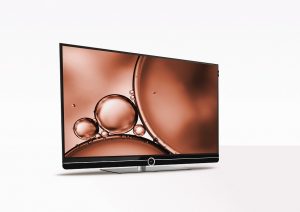
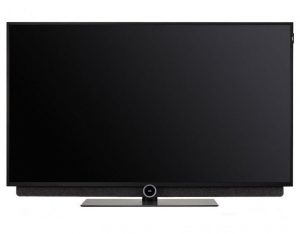
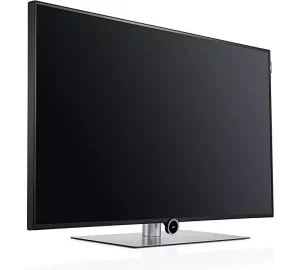
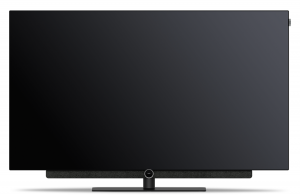
An LCD TV is a flat panel television that utilises the same basic Liquid Crystal
Display technology that has been in used for some time in cell phones, camcorder
viewfinders, and computer monitors.
LCD panels are made of two layers of a glass-like material, which are polarized,
and are "glued" together. One of the layers is coated with a special polymer
that holds the individual liquid crystals. Electric current is then passed through
individual crystals, which allow the crystals to pass or block light to create images.
LCD crystals do not produce their own light, so an external light source, such as
florescent bulb is needed for the image created by the LCD to become visible to
the viewer.
Unlike standard CRT and Plasma televisions, there are no phosphors that light up,
and, thus LCD panels are thin and require less power to operate. Because of the
nature of LCD technology, there is no radiation emitted from the screen itself,
unlike traditional televisions.
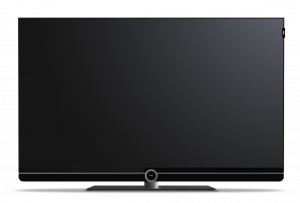
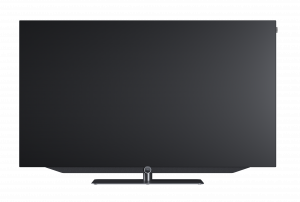
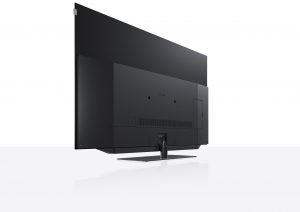
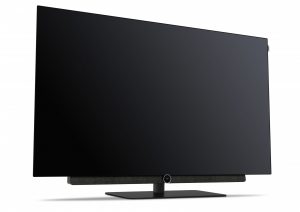
Also, without the need for a picture tube, LCD televisions can be made very thin,
thus allowing them to hung on a wall or placed on small stand on top of a table,
desk, dresser, or cabinet very easily.

Combining the above technology with the features of a traditional television, such
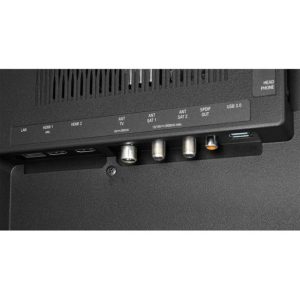
as, AV input/output connectivity, side or bottom mounted loudspeakers, TV tuner,
and traditional television adjustment controls, bring to life a concept that is
becoming a popular option for TV and home theatre viewing.

Plasma Televisions
Plasma television is a flat, lightweight surface covered with millions of tiny glass
bubbles. Each bubble contains a gas-like substance, the plasma, and has a phosphor
coating. Think of the bubbles as the pixels. Essentially millions of Neon signs.
Now, think of each pixel-bubble as having three sub-pixels - one red, one green,
one blue. When it is time to display an image signal (RGB or video), a digitally
controlled electric current flows through the flat screen, causing the plasma inside
designated bubbles to give off ultraviolet rays. This light in turn causes the phosphor
coatings to glow the appropriate colour making your Plasma TV provide the best video
image anywhere.
Gas in a plasma state is used to react with phosphors in each sub-pixel to produce
coloured light (red, green or blue). These phosphors are the same types used in
conventional cathode ray tube (CRT) devices such as televisions and standard computer
monitors. You get the rich, dynamic colours you expect. Each subpixel is individually
controlled by advanced electronics to produce over 16 million different colours.
You get perfect images that are easily viewable in a display that is less than 4
inches thick.
The plasma display is one of the most exciting consumer electronics products to
debut . It's literally changing the shape of television, from the familiar CRT-type
TV's that have been around for 50 years, to a sleek, nearly flat display that can
hang on a wall. These new displays deliver high-definition television, and they
serve both as TV's and computer monitors.
Plasma displays are not the same as a LCD screen. A LCD screen uses backlighting
for its illumination; plasma displays are self-lit, which produces a far brighter
picture.